Saudi Arabia Flag
A government website registered with the Digital Government Authority.
Live Stream LinkLive Stream
Official Saudi Government websites URL ends with.gov.sa .

Website belongs to an official government organization in the Kingdom ofSaudi Arabia always ends with .gov.sa .

Official Reliable websites useHTTPS

Ensure the website is using the HTTPS protocol.

Dga Logo

Registered on Digital Government Authority:

20250724844

News

General Authority for Statistics News

Image Alt Text

Saudi Arabia is “the second country on the Arab world level and the thirty eighth internationally” within the very high-level human development countries

12-09-2017
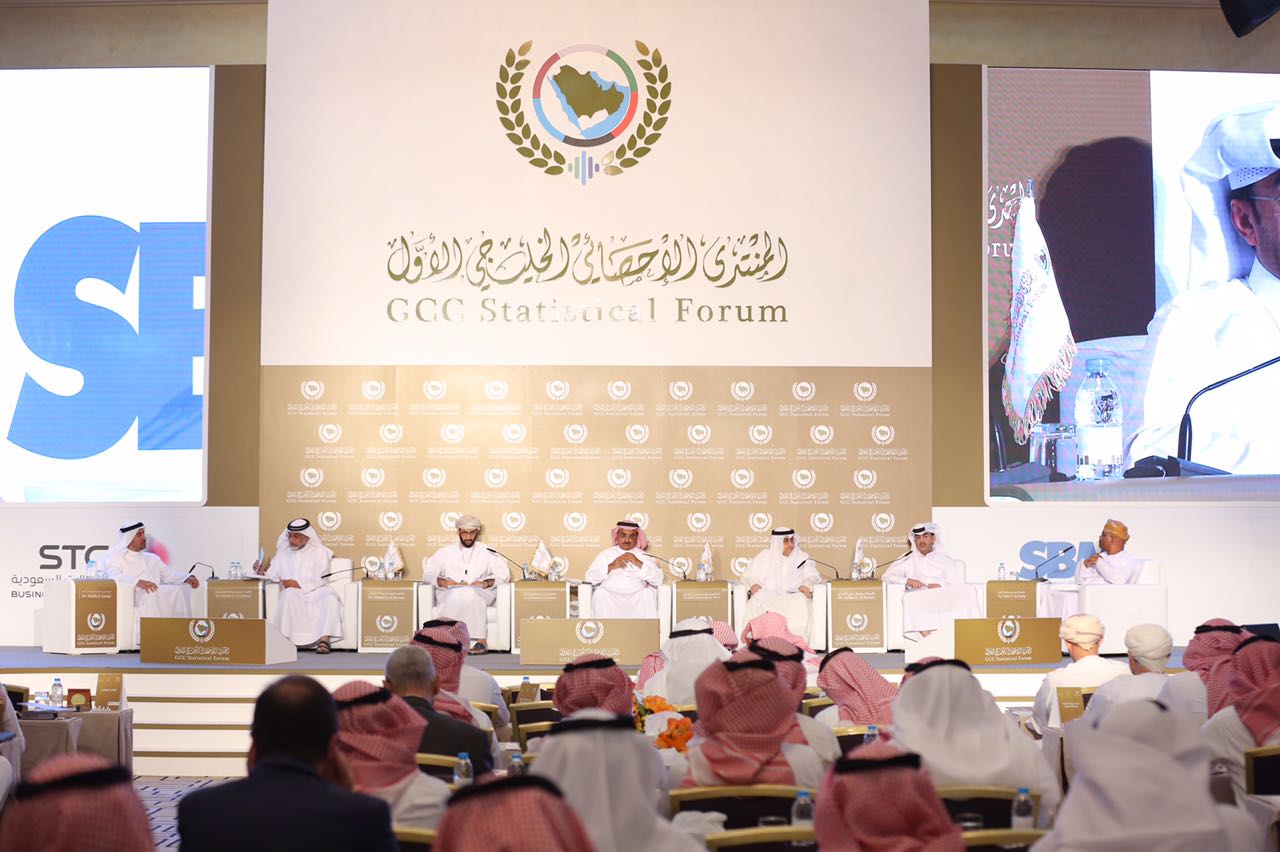
According to the human development report issued by a UN program with a remarkable progress Saudi Arabia is “the second country on the Arab world level and the thirty eighth internationally” within the very high-level human development countries Saudi Arabia registered the second rank on the Arab world level and the thirty eighth internationally within the very high-level human development countries according to the human development report issued by the UN developmental program 2016. Dr. Fahad bin Sulaiman Altekhaifi, GaStat president, clarified that Saudi Arabia has reached that remarkable progress which was reflected in the human development report issued by the UN developmental program 2016. He added, Saudi Arabia was classified within the countries that have the highest levels of human development.  His Excellency assured that the report is one of the annual reports issued by the UN developmental program since 1990. In addition to the main topics it discusses and resolves annually, the program includes many statistical tables of various indicators, the most important of which is a table that contains the human development guide classified by the level of human development all over the world. This guide is considered a standard that summarizes all achievements in the field of development through three main dimensions: individual health life, knowledge acquisition, and the proper living standard.  He indicated that this improvement in the Saudi level of human development is continuous one. During the past three years, Saudi Arabia registered the (39th) rank last year, the (55th) rank in 2010, and the (77th) rank in 2005. This progress is attributed to the noticeable improvement in all elements of the human development guide which are represented in the expected age of birth, the expected average of studying years which means the expected number of studying years that a child is expected to spend since he/she starts going to school, supposing that the rates of this process by age groups remain stable during all times. The guide elements also include the gross national income per capita which is calculated by the purchase power rate in Dollar.  It is worth mentioning that the human development report divides the world into four groups by value of human development guide’s indicator. Countries with low-level human development have a value of (0R550), whereas countries with intermediate-level human development, their value ranges between (0R550) and (0R699). However, countries with high-level human development have a guide value that ranges between (0R700) and (0R799), and countries with a very high-level of human development have a value of (0R800) or more. The Saudi indicator mentioned in the 2016 report registered (0R847).  Dr. Fahad stressed that this report reflects the level of human development that Saudi Arabia witnesses in many fields. It shows the exerted efforts on many levels. These efforts were achieved as a response to the continuous directions of the custodian of the two holly mosques, his crown prince, and his deputy crown prince. It also reflects the goals upon which the 2030 Saudi vision is made, the vision that represents a promising document that aims at achieving the sustainable development and coping with all rapid developmental changes internationally.
Image Alt Text

Saudi Arabia is “the second country on the Arab world level and the thirty eighth internationally” within the very high-level human development countries

12-09-2017

According to the human development report issued by a UN program with a remarkable progress Saudi Arabia is “the second country on the Arab world level and the thirty eighth internationally” within the very high-level human development countries Saudi Arabia registered the second rank on the Arab world level and the thirty eighth internationally within the very high-level human development countries according to the human development report issued by the UN developmental program 2016. Dr. Fahad bin Sulaiman Altekhaifi, GaStat president, clarified that Saudi Arabia has reached that remarkable progress which was reflected in the human development report issued by the UN developmental program 2016. He added, Saudi Arabia was classified within the countries that have the highest levels of human development.  His Excellency assured that the report is one of the annual reports issued by the UN developmental program since 1990. In addition to the main topics it discusses and resolves annually, the program includes many statistical tables of various indicators, the most important of which is a table that contains the human development guide classified by the level of human development all over the world. This guide is considered a standard that summarizes all achievements in the field of development through three main dimensions: individual health life, knowledge acquisition, and the proper living standard.  He indicated that this improvement in the Saudi level of human development is continuous one. During the past three years, Saudi Arabia registered the (39th) rank last year, the (55th) rank in 2010, and the (77th) rank in 2005. This progress is attributed to the noticeable improvement in all elements of the human development guide which are represented in the expected age of birth, the expected average of studying years which means the expected number of studying years that a child is expected to spend since he/she starts going to school, supposing that the rates of this process by age groups remain stable during all times. The guide elements also include the gross national income per capita which is calculated by the purchase power rate in Dollar.  It is worth mentioning that the human development report divides the world into four groups by value of human development guide’s indicator. Countries with low-level human development have a value of (0R550), whereas countries with intermediate-level human development, their value ranges between (0R550) and (0R699). However, countries with high-level human development have a guide value that ranges between (0R700) and (0R799), and countries with a very high-level of human development have a value of (0R800) or more. The Saudi indicator mentioned in the 2016 report registered (0R847).  Dr. Fahad stressed that this report reflects the level of human development that Saudi Arabia witnesses in many fields. It shows the exerted efforts on many levels. These efforts were achieved as a response to the continuous directions of the custodian of the two holly mosques, his crown prince, and his deputy crown prince. It also reflects the goals upon which the 2030 Saudi vision is made, the vision that represents a promising document that aims at achieving the sustainable development and coping with all rapid developmental changes internationally.
Image Alt Text

Riyadh Announces 14 Recommendations at the Conclusion of the First GCC Statistical Forum

12-09-2017
Based on 3 Strategic Pillars Riyadh Announces 14 Recommendations at the Conclusion of the First GCC Statistical Forum The First GCC Statistical Forum held in Riyadh concluded by announcing 14 recommendations, co-drafted by decision and policy makers, academia, private sector, in addition to the leaders of the statistical data and information authorities, systems and centers in the GCC countries and international and regional organizations. The participants in the Forum, organized by the General Authority for Statistics in Saudi Arabia and the GCC Statistical Center, stressed the importance, moving forward, of strengthening and increasing the effectiveness of the ongoing efforts in the various related fields, based on three strategic pillars (Partnerships, Development and Harmonization, and Resources). The participants also agreed on the importance of holding the Forum on a regular basis ever two years, to monitor progress and achievements in the areas of joint work and collaboration, and discuss the latest developments in the demand for and the production and dissemination of official statistics. The next forum will take place, in Muscat, in March 2019. This announcement came along with the Forum participants’ acknowledgment of the extra burden put on the national statistical authorities, centers and systems by the ever increasing and evolving demand for better quality statistics. The recommendations on the Partnerships Pillar stressed the need to (i) Strengthen the cooperation and dialogue mechanisms between statistics users and producers at the national level, so that the needs of users are met and the priorities are set in a better way; (ii) Enhance coordination and cooperation between producers of statistics in countries, to share knowledge and best practice, avoid duplication of efforts, and increase the quality of official statistics; (iii) Improve coordination and cooperation at the regional and international levels, to keep pace with and ensure contribution to and benefit from relevant developments, and to exchange expertise and experiences; (iv) Explore the potential of public private partnerships in statistics, to increase the frequency of data and develop new data sources; and (v) Foster collaboration and partnerships with the academic community in the GCC region, to serve a wide array of objectives including improving statistical literacy, adding value to statistical production, increasing the correct use of data, and strengthening training and capacity development.    In terms of the Development and Harmonization Pillar, the participants recommended to (i) Improve the quality and comparability of official statistics, to meet the needs of users; (ii) Incorporate contemporary international statistical standards and classifications; (iii) Enhance the use of administrative registers to produce official statistics; (iv) Take full advantage of modern statistical tools and technologies; and (v) Promote the correct use of statistics and statistical awareness and culture in society. Finally, regarding the Sources Pillar, the participants’ recommendations included to (i) Operate statistical agencies in an efficient, cost-effective and results-based manner; (ii) Attract and keep qualified GCC nationals in the statistical work; (iii) Increase the effectiveness and coverage of capacity development programs; and (iv) Explore alternative sources of funding and cost sharing outside the framework of official statistics including with the private sector. For the recommendations of the first Gulf Statistical Forum | Press here
Image Alt Text

Riyadh Announces 14 Recommendations at the Conclusion of the First GCC Statistical Forum

12-09-2017

Based on 3 Strategic Pillars Riyadh Announces 14 Recommendations at the Conclusion of the First GCC Statistical Forum The First GCC Statistical Forum held in Riyadh concluded by announcing 14 recommendations, co-drafted by decision and policy makers, academia, private sector, in addition to the leaders of the statistical data and information authorities, systems and centers in the GCC countries and international and regional organizations. The participants in the Forum, organized by the General Authority for Statistics in Saudi Arabia and the GCC Statistical Center, stressed the importance, moving forward, of strengthening and increasing the effectiveness of the ongoing efforts in the various related fields, based on three strategic pillars (Partnerships, Development and Harmonization, and Resources). The participants also agreed on the importance of holding the Forum on a regular basis ever two years, to monitor progress and achievements in the areas of joint work and collaboration, and discuss the latest developments in the demand for and the production and dissemination of official statistics. The next forum will take place, in Muscat, in March 2019. This announcement came along with the Forum participants’ acknowledgment of the extra burden put on the national statistical authorities, centers and systems by the ever increasing and evolving demand for better quality statistics. The recommendations on the Partnerships Pillar stressed the need to (i) Strengthen the cooperation and dialogue mechanisms between statistics users and producers at the national level, so that the needs of users are met and the priorities are set in a better way; (ii) Enhance coordination and cooperation between producers of statistics in countries, to share knowledge and best practice, avoid duplication of efforts, and increase the quality of official statistics; (iii) Improve coordination and cooperation at the regional and international levels, to keep pace with and ensure contribution to and benefit from relevant developments, and to exchange expertise and experiences; (iv) Explore the potential of public private partnerships in statistics, to increase the frequency of data and develop new data sources; and (v) Foster collaboration and partnerships with the academic community in the GCC region, to serve a wide array of objectives including improving statistical literacy, adding value to statistical production, increasing the correct use of data, and strengthening training and capacity development.    In terms of the Development and Harmonization Pillar, the participants recommended to (i) Improve the quality and comparability of official statistics, to meet the needs of users; (ii) Incorporate contemporary international statistical standards and classifications; (iii) Enhance the use of administrative registers to produce official statistics; (iv) Take full advantage of modern statistical tools and technologies; and (v) Promote the correct use of statistics and statistical awareness and culture in society. Finally, regarding the Sources Pillar, the participants’ recommendations included to (i) Operate statistical agencies in an efficient, cost-effective and results-based manner; (ii) Attract and keep qualified GCC nationals in the statistical work; (iii) Increase the effectiveness and coverage of capacity development programs; and (iv) Explore alternative sources of funding and cost sharing outside the framework of official statistics including with the private sector. For the recommendations of the first Gulf Statistical Forum | Press here
Image Alt Text

STC Business technical sponsor for the Gulf Statistical Forum

12-09-2017
STC Business technical sponsor for the Gulf Statistical Forum Under the Royal hospice of  the Custodian of the Two Holy Mosques, King Salman bin Abdulaziz Al Saud - may God protect him - and with the organization of the General Authority for Statistics and GCC Statistical Center, STC Business will participate, as an activities technical sponsor, in the Gulf Statistical Forum, which will be held under the theme "Enhancing Statistical partnerships to support economic policies and sustainable development in the GCC countries.", at the Marriott Hotel in Riyadh during the period from March 20th to 22nd, 2017. The Forum will bring together 40 GCC and international speakers to discuss strengthening the statistical partnerships in view of supporting economic and development policies. They will discuss several key issues which are: requirement for data and statistical information ensuing from national development trends, the agenda for sustainable development and emerging global economic issues, provision of statistical products and services to support national development trends, and sustainable development in the GCC countries, in addition to conducting research on enhancing the statistical partnerships between users and producers of data to support the economic policies in the GCC countries. STC Business  pavilion accompanying the forum, will display a group of communication services and information technology solutions, with an explanation of the most important advantages and benefits that contribute to the success of statistical work and support digital transformation in the domestic and the Gulf region. This sponsorship comes within STC Business endeavor to support and meet the requirements and needs of their customers in both public and private sectors, through a variety of connectivity products based on mobile and fixed networks technology, providing integrated digital solutions, cloud computing , and managed services. STC Business Unit provides solutions and services, telecommunications and information technology in a way that meets the government and companies demands and requirements. This is carried out through the most advanced data centers distributed around the Kingdom. These centers are connected through a network of optical fibers whose length attains more than 147, 000 kilometers, and  are supported with a mobile network covering 96% of the populated areas in KSA, and uses technologies of the Second and Third Generation, while 96% of the network uses the Fourth Generation technology known as LTE. These national networks are linked to the world through a number of cross-border land and sea cables and an Internet gate which is the largest in the MENA region, where its communication capacity attains 1.5 Terabit / sec. and passes 12 Beta Bytes of data per day.
Image Alt Text

STC Business technical sponsor for the Gulf Statistical Forum

12-09-2017

STC Business technical sponsor for the Gulf Statistical Forum Under the Royal hospice of  the Custodian of the Two Holy Mosques, King Salman bin Abdulaziz Al Saud - may God protect him - and with the organization of the General Authority for Statistics and GCC Statistical Center, STC Business will participate, as an activities technical sponsor, in the Gulf Statistical Forum, which will be held under the theme "Enhancing Statistical partnerships to support economic policies and sustainable development in the GCC countries.", at the Marriott Hotel in Riyadh during the period from March 20th to 22nd, 2017. The Forum will bring together 40 GCC and international speakers to discuss strengthening the statistical partnerships in view of supporting economic and development policies. They will discuss several key issues which are: requirement for data and statistical information ensuing from national development trends, the agenda for sustainable development and emerging global economic issues, provision of statistical products and services to support national development trends, and sustainable development in the GCC countries, in addition to conducting research on enhancing the statistical partnerships between users and producers of data to support the economic policies in the GCC countries. STC Business  pavilion accompanying the forum, will display a group of communication services and information technology solutions, with an explanation of the most important advantages and benefits that contribute to the success of statistical work and support digital transformation in the domestic and the Gulf region. This sponsorship comes within STC Business endeavor to support and meet the requirements and needs of their customers in both public and private sectors, through a variety of connectivity products based on mobile and fixed networks technology, providing integrated digital solutions, cloud computing , and managed services. STC Business Unit provides solutions and services, telecommunications and information technology in a way that meets the government and companies demands and requirements. This is carried out through the most advanced data centers distributed around the Kingdom. These centers are connected through a network of optical fibers whose length attains more than 147, 000 kilometers, and  are supported with a mobile network covering 96% of the populated areas in KSA, and uses technologies of the Second and Third Generation, while 96% of the network uses the Fourth Generation technology known as LTE. These national networks are linked to the world through a number of cross-border land and sea cables and an Internet gate which is the largest in the MENA region, where its communication capacity attains 1.5 Terabit / sec. and passes 12 Beta Bytes of data per day.
Image Alt Text

27 Scientific and Awareness-raising Booths in the Exhibition accompanying the First GCC Statistical Forum

12-09-2017
27 Scientific and Awareness-raising  Booths in the Exhibition accompanying the First GCC Statistical Forum The Forum events which  will be held in Riyadh under the theme " enhancing statistical collaborations to support economic policies and sustainable development in the GCC region", under the patronage of the custodian of the Two Holly Mosques king Salman bin Abdulaziz Al Saud, and organized by the general authority for statistics and the GCC statistical center on 21-23 Jumada second 1438 H corresponding to 20-22nd of March 2017, will be accompanied by an exhibition that contains 27 scientific and awareness raising booths, in collaboration with the GCC countries and the GCC statistical center, in addition to a number of establishments specialized in statistical and informational technology. Mr. Taiseer Almofarrej, the official spokesman of the General Authority for Statistics, stressed that the Forum welcomes visitors such as , specialists, academia, students and government entities leaders to know more about statistical methodologies in different fields; economic, social, energy and natural resources, open data, statistical awareness and sustainable development. The forum which will gather 40 speakers from the gulf region and other countries, data producers and users, and people from the academic sector, focuses on main axes which are: statistical data and information request resulted from the national developmental tracks, sustainable development agenda and international economic issues, discussing the provision of statistical products and services to support the national developmental tracks and sustainable development in the GCC region, in addition to discussing the statistical collaborations between data producers and users to support the economic policies and sustainable development in the GCC region. The events of the Forum will start with 4 sessions within two days, the sessions will start with discussing the first axe which is about statistical data and information request: the request from an international prospective and focusing on the international issues and their impact on policies and reforms all over the world in general and in the gulf region in particular. In addition to data needs and gaps, it will also discuss request from a national and regional perspective, a general session titles" producing and publishing statistics: the strategic motives of the national statistical entities' works", followed by  a general session about the third axe which is associated with collaborations " next steps: towards sustainable mechanisms and framework for cooperation between users and producers". Along with the forum activities, 6 workshops will be held: the first will discuss measuring the progress in achieving sustainable development goals, the second is about enhancing statistical knowledge. As for the third, it will be about the statistical media. In the fourth workshop, the participants will get to know the mechanisms of statistics development by using information and communication technologies. However, the fifth will discuss data revolution which will present cooperation between Arab countries to get benefited from data revolution in enhancing the production and publishing of statistics. After that, two presentations will be presented by one of the GCC countries and the GCC statistical center about the preparations and challenges. Regarding the last workshop, it will discuss the collaborations between the public and private sectors in the field of statistics.
Image Alt Text

27 Scientific and Awareness-raising Booths in the Exhibition accompanying the First GCC Statistical Forum

12-09-2017

27 Scientific and Awareness-raising  Booths in the Exhibition accompanying the First GCC Statistical Forum The Forum events which  will be held in Riyadh under the theme " enhancing statistical collaborations to support economic policies and sustainable development in the GCC region", under the patronage of the custodian of the Two Holly Mosques king Salman bin Abdulaziz Al Saud, and organized by the general authority for statistics and the GCC statistical center on 21-23 Jumada second 1438 H corresponding to 20-22nd of March 2017, will be accompanied by an exhibition that contains 27 scientific and awareness raising booths, in collaboration with the GCC countries and the GCC statistical center, in addition to a number of establishments specialized in statistical and informational technology. Mr. Taiseer Almofarrej, the official spokesman of the General Authority for Statistics, stressed that the Forum welcomes visitors such as , specialists, academia, students and government entities leaders to know more about statistical methodologies in different fields; economic, social, energy and natural resources, open data, statistical awareness and sustainable development. The forum which will gather 40 speakers from the gulf region and other countries, data producers and users, and people from the academic sector, focuses on main axes which are: statistical data and information request resulted from the national developmental tracks, sustainable development agenda and international economic issues, discussing the provision of statistical products and services to support the national developmental tracks and sustainable development in the GCC region, in addition to discussing the statistical collaborations between data producers and users to support the economic policies and sustainable development in the GCC region. The events of the Forum will start with 4 sessions within two days, the sessions will start with discussing the first axe which is about statistical data and information request: the request from an international prospective and focusing on the international issues and their impact on policies and reforms all over the world in general and in the gulf region in particular. In addition to data needs and gaps, it will also discuss request from a national and regional perspective, a general session titles" producing and publishing statistics: the strategic motives of the national statistical entities' works", followed by  a general session about the third axe which is associated with collaborations " next steps: towards sustainable mechanisms and framework for cooperation between users and producers". Along with the forum activities, 6 workshops will be held: the first will discuss measuring the progress in achieving sustainable development goals, the second is about enhancing statistical knowledge. As for the third, it will be about the statistical media. In the fourth workshop, the participants will get to know the mechanisms of statistics development by using information and communication technologies. However, the fifth will discuss data revolution which will present cooperation between Arab countries to get benefited from data revolution in enhancing the production and publishing of statistics. After that, two presentations will be presented by one of the GCC countries and the GCC statistical center about the preparations and challenges. Regarding the last workshop, it will discuss the collaborations between the public and private sectors in the field of statistics.
Image Alt Text

8 days until the beginning of the 1st GCC statistical forum events

12-09-2017
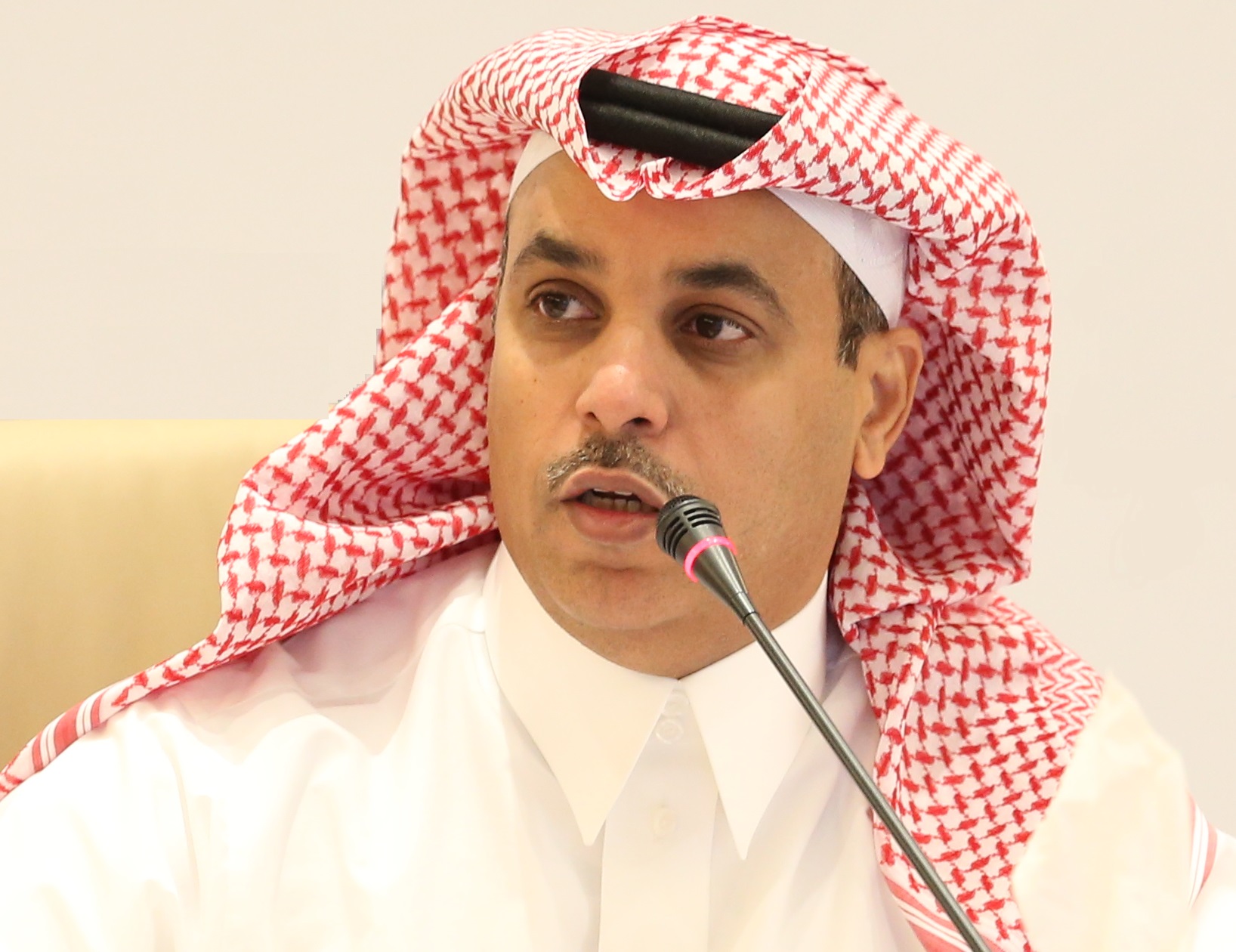
8 days until the beginning of the 1st GCC statistical forum events After 8 days, the 1st GCC statistical forum events will begin in Riyadh under the theme " enhancing statistical collaborations to support economic policies and sustainable development in the GCC region". The forum will be under the patronage of the custodian of the two holly mosques king Salman bin Abdulaziz Al Saud, and organized by the general authority for statistics and the GCC statistical center on 21-23 Jumada second 1438 H corresponding to 20-22nd of March 2017.  The forum, in which there will be 40 speakers from the gulf region and other countries, other people who are specialized in statistics such as data producers and users, and people from the academic sector, focuses on main axes which are: statistical data and information request resulted from the national developmental tracks, sustainable development agenda and international economic issues, discussing the provision of statistical products and services to support the national developmental tracks and sustainable development in the GCC region, in addition to discussing the statistical collaborations between data producers and users to support the economic policies and sustainable development in the GCC region.  The first day will witness the opening event. Many political personalities will attend such as ministers, GCC general secretariat leaders, ambassadors, statistical organizations heads, international and regional organizations representatives, statistical sector specialists, media, and other participants.  The forum events will begin with 4 sessions on the first two days. On these sessions, the first axe will be discussed from an international perspective which is about statistical data and information request. Also, the sessions will discuss the international issues and their impact on the policies and reforms all over the world and on the gulf region in particular. Data needs and gaps will be taken into consideration too. Data request will be discussed also from a national and regional perspective. There will be a general session titled " statistics production and publication: the strategic motives of the national statistical organizations works". It will be followed by another general session that discusses the third axe which is about collaborations " next steps: towards sustainable framework and mechanisms for cooperation and dialogue between users and producers". Along with the forum events, there will be 6 seminars; the first will discuss measuring the progress in achieving the sustainable development goals, the second is about enhancing the statistical knowledge. Whereas the third will focus on statistical media, and the fourth is about the mechanisms od statistical development by using information and telecommunication technologies. On the fifth seminar, data revolution will be discussed, it will present the cooperation between Arab countries to benefit from data revolution in enhancing statistics production and publication. After that, there will be two presentations about the preparations and challenges, they will be presented by one of the GCC countries and the GCC statistical center. As for the last seminar, collaborations between the public and private sectors in the field of statistics will be discussed.
Image Alt Text

8 days until the beginning of the 1st GCC statistical forum events

12-09-2017

8 days until the beginning of the 1st GCC statistical forum events After 8 days, the 1st GCC statistical forum events will begin in Riyadh under the theme " enhancing statistical collaborations to support economic policies and sustainable development in the GCC region". The forum will be under the patronage of the custodian of the two holly mosques king Salman bin Abdulaziz Al Saud, and organized by the general authority for statistics and the GCC statistical center on 21-23 Jumada second 1438 H corresponding to 20-22nd of March 2017.  The forum, in which there will be 40 speakers from the gulf region and other countries, other people who are specialized in statistics such as data producers and users, and people from the academic sector, focuses on main axes which are: statistical data and information request resulted from the national developmental tracks, sustainable development agenda and international economic issues, discussing the provision of statistical products and services to support the national developmental tracks and sustainable development in the GCC region, in addition to discussing the statistical collaborations between data producers and users to support the economic policies and sustainable development in the GCC region.  The first day will witness the opening event. Many political personalities will attend such as ministers, GCC general secretariat leaders, ambassadors, statistical organizations heads, international and regional organizations representatives, statistical sector specialists, media, and other participants.  The forum events will begin with 4 sessions on the first two days. On these sessions, the first axe will be discussed from an international perspective which is about statistical data and information request. Also, the sessions will discuss the international issues and their impact on the policies and reforms all over the world and on the gulf region in particular. Data needs and gaps will be taken into consideration too. Data request will be discussed also from a national and regional perspective. There will be a general session titled " statistics production and publication: the strategic motives of the national statistical organizations works". It will be followed by another general session that discusses the third axe which is about collaborations " next steps: towards sustainable framework and mechanisms for cooperation and dialogue between users and producers". Along with the forum events, there will be 6 seminars; the first will discuss measuring the progress in achieving the sustainable development goals, the second is about enhancing the statistical knowledge. Whereas the third will focus on statistical media, and the fourth is about the mechanisms od statistical development by using information and telecommunication technologies. On the fifth seminar, data revolution will be discussed, it will present the cooperation between Arab countries to benefit from data revolution in enhancing statistics production and publication. After that, there will be two presentations about the preparations and challenges, they will be presented by one of the GCC countries and the GCC statistical center. As for the last seminar, collaborations between the public and private sectors in the field of statistics will be discussed.
Image Alt Text

Dr. Altekhaifi: GaStat works on enhancing the national and international collaborations to raise the data quality and support decision and policy makers

12-09-2017
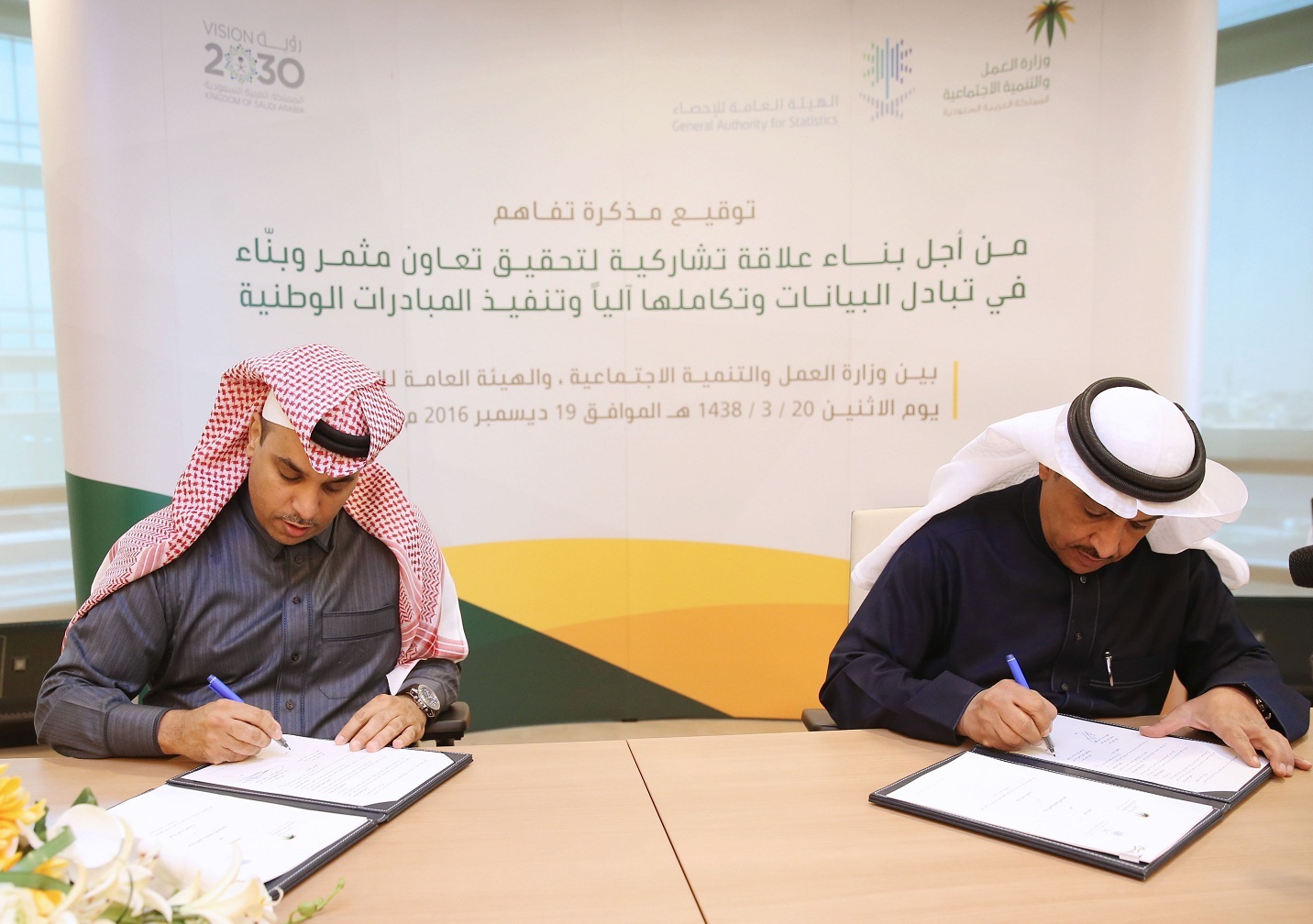
Participating with 40 countries in the International Association for Official Statistics  (IAOS) conference Dr. Altekhaifi: GaStat works on enhancing the national and international collaborations to raise the data quality and support decision and policy makers GaStat participates in IAOS conference 2016 (round 15) Under the Patronage of H.H. Sheikh  Hazza bin Zayed Al Nahyan, Vice chairman of Abu Dhabi executive council. The conference is organized by Statistics Center in Abu Dhabi. The main theme of the IAOS 2016 conference is "The Spirit of Official Statistics: Partnership and Continuous Innovation". The conference activities will conclude on December- 8-2016.  Dr. fahad bin Sulaiman Altekhaifi, GaStat president, said that the authority keeps enhancing its experience and raising the data quality through an integrated program for all local, regional, and international collaborations, in addition to following the best international practices in order to provide comprehensive and high-quality statistical data that support policy and decision maker. He revealed that the strategic collaboration program is an essential part of the statistical sector' strategic transformation program in Saudi Arabia. GaStat worked on preparing a transformation map in the statistical work. This map included a number of projects and initiatives that cope with the 2020 national transformation program and 2030 Saudi vision. The statistical transformation project depended on three main dimensions; quality of statistical products, concentrating on clients, and activating the statistical sector. Using these three dimensions, GaStat went through six main tracks represented in reformulating the authority tendencies in a way that achieves the goals and  reflects the clients tendency, reevaluating the products and services provided by the authority, determining the required operating activities to provide products and services according to clients needs, enhancing the technical part in the authority, modifying culture and developing statistical awareness, in addition to assuring the existence of the organizational structure and the governance to make a transformation. Each track has a group of projects and initiatives that are integrated with each other, so that they can contribute in implementing the strategic transformation program. These projects and initiatives aim at activating the statistical part, evaluating the products and services, and developing methodologies, standards, and classifications. This can be achieved after preparing the authority administratively, financially,  technically, and systematically  to pursue in the transformation process. In addition to raising the statistical awareness and culture among all users of data, information, and statistics.  On the other hand, Dr. Fahad asserted that IAOS conference was held in a time, during which all GCC statistical entities work together to achieve the vision of the custodian of the two holly mosques that enhances integration between GCC countries, improves GCC statistical performance, and meets the leaders expectations. All GCC statistical entities work on supporting the integrated work especially the collaboration between them, so that they can deal with all GCC essential issues.   GaStat participation in this conference represents its belief in collaboration and how it develops the statistical work and raises awareness among all producers and users of data. Moreover, it identifies the importance of official statistics and how they support the developmental resolutions in the region.  Altekhaifi clarified that GaStat along with all GCC statistical entities are trying to enhance and develop the concept of official statistics so that they reach an excellent level of efficiency. Furthermore, they enhance the value of official statistics in the information community. They also enhance collaborations, innovation, and national statistical system update.  H.E. expressed his gratitude for the great hospitality of Abu Dhabi in this conference. It is the first country in the region that organizes an IAOS conference, as this conference is held every two years by one of the IAOS members. So, this assured the GCC statistical entities role in the region.  It is worth mentioning that the 15th round of the conference depends on four main aspects, about which all sessions are conducted. The aspects are: enhancing the value of official statistics in the information community, making collaborations to achieve results, innovation and updating national statistical systems, and following the main principals in the statistical work practice.
Image Alt Text

Dr. Altekhaifi: GaStat works on enhancing the national and international collaborations to raise the data quality and support decision and policy makers

12-09-2017

Participating with 40 countries in the International Association for Official Statistics  (IAOS) conference Dr. Altekhaifi: GaStat works on enhancing the national and international collaborations to raise the data quality and support decision and policy makers GaStat participates in IAOS conference 2016 (round 15) Under the Patronage of H.H. Sheikh  Hazza bin Zayed Al Nahyan, Vice chairman of Abu Dhabi executive council. The conference is organized by Statistics Center in Abu Dhabi. The main theme of the IAOS 2016 conference is "The Spirit of Official Statistics: Partnership and Continuous Innovation". The conference activities will conclude on December- 8-2016.  Dr. fahad bin Sulaiman Altekhaifi, GaStat president, said that the authority keeps enhancing its experience and raising the data quality through an integrated program for all local, regional, and international collaborations, in addition to following the best international practices in order to provide comprehensive and high-quality statistical data that support policy and decision maker. He revealed that the strategic collaboration program is an essential part of the statistical sector' strategic transformation program in Saudi Arabia. GaStat worked on preparing a transformation map in the statistical work. This map included a number of projects and initiatives that cope with the 2020 national transformation program and 2030 Saudi vision. The statistical transformation project depended on three main dimensions; quality of statistical products, concentrating on clients, and activating the statistical sector. Using these three dimensions, GaStat went through six main tracks represented in reformulating the authority tendencies in a way that achieves the goals and  reflects the clients tendency, reevaluating the products and services provided by the authority, determining the required operating activities to provide products and services according to clients needs, enhancing the technical part in the authority, modifying culture and developing statistical awareness, in addition to assuring the existence of the organizational structure and the governance to make a transformation. Each track has a group of projects and initiatives that are integrated with each other, so that they can contribute in implementing the strategic transformation program. These projects and initiatives aim at activating the statistical part, evaluating the products and services, and developing methodologies, standards, and classifications. This can be achieved after preparing the authority administratively, financially,  technically, and systematically  to pursue in the transformation process. In addition to raising the statistical awareness and culture among all users of data, information, and statistics.  On the other hand, Dr. Fahad asserted that IAOS conference was held in a time, during which all GCC statistical entities work together to achieve the vision of the custodian of the two holly mosques that enhances integration between GCC countries, improves GCC statistical performance, and meets the leaders expectations. All GCC statistical entities work on supporting the integrated work especially the collaboration between them, so that they can deal with all GCC essential issues.   GaStat participation in this conference represents its belief in collaboration and how it develops the statistical work and raises awareness among all producers and users of data. Moreover, it identifies the importance of official statistics and how they support the developmental resolutions in the region.  Altekhaifi clarified that GaStat along with all GCC statistical entities are trying to enhance and develop the concept of official statistics so that they reach an excellent level of efficiency. Furthermore, they enhance the value of official statistics in the information community. They also enhance collaborations, innovation, and national statistical system update.  H.E. expressed his gratitude for the great hospitality of Abu Dhabi in this conference. It is the first country in the region that organizes an IAOS conference, as this conference is held every two years by one of the IAOS members. So, this assured the GCC statistical entities role in the region.  It is worth mentioning that the 15th round of the conference depends on four main aspects, about which all sessions are conducted. The aspects are: enhancing the value of official statistics in the information community, making collaborations to achieve results, innovation and updating national statistical systems, and following the main principals in the statistical work practice.
Image Alt Text

GaStat: We work on developing data of labour market to support decision makers

12-09-2017

Signed a joint memorandum of understanding with the Ministry of Labour and Social Development GaStat: We work on developing data of labour market to support decision makers On Monday 20 Rabī‘ al-awwal,1438 corresponding to December 19, 2016 , GaStat signed a memorandum of understanding to develop electronic data exchange and integration and the implementation of a number of joint national initiatives relevant to the data of labour market in the Kingdom of Saudi Arabia. The national Labour Market Observatory and the "Labour Market bulletin" are considered the main outputs of this memorandum. Mr. Taiseer Almofarrej, GaStat's official spokesman, clarified that the joint work in the field of data exchange with the Ministry of Labour and Social Development is a work in progress, and that the memo signed today by His Excellency Dr. Fahad Altekhaifi, GaStats President, and His Excellency the Deputy Minister of Labour and Social Development, Mr. Ahmad Saleh Alhomaidan in the framework of developing joint work, particularly after the merging of  the Labour with Social Development is made to keep pace with the new changes in this field. Emphasizing on the importance of collaboration to provide statistical services  that support decision makers and users by providing statistical data and information that is immediate, comprehensive, reliable and flexible in the best interest of beneficiaries either citizens or residents. Almofarrej stressed that the reinforcement of collaboration between GaStat and the Ministry is based on developing entire statistical products related to labour force, social development, establishments, statistical data exchange and integration and the integration of work at the relevant national observatories. The joint work also includes the unifying of standards, classifications and definitions of labour force, social development and establishments. The memorandum contributes in achieving the goals of the social development national strategy, the Saudi employment strategy, the tenth development plan, the privatization strategy and the national strategy of statistical development.  GaStat's official spokesman also asserted that most important outcomes of this collaboration is: the support of statistical data production and dissemination through surveys and administrative records carried out by GaStat and the Ministry on a regular basis, total coordination regarding labour force statistical data dissemination, facilitate cooperation in the exchange and flow of information, the development of Saudi labour market data system through providing a statistical database that is highly accurate to be used by decision makers, planners, researchers and relevant entities, unify efforts to ensure getting accurate statistical data for the most important indicators of the labour market and social development which contribute in the measurement of the 2030 Saudi Vision and the 2020 national transformation program, meet the requirements of the beneficiary entities, the collaboration in establishing a databases for GaStat which are not-for-profit, associations and charities, cooperative committees and social development centers, the collaboration and coordination to reinforce the specialized observatories currently in place, establish and prepare new statistical products specializes in the labour market and social development issues.  On the other hand, Mr. Taiseer Almofarrej clarified that GaStat is currently working in collaboration with the Ministry of Labour and Social development, Ministry of Civil Services, Human resources Development Fund and the General Organization for Social Insurance to develop the labour market data through the production of "Labour Market Bulletin" to be a periodic integrated bulletin that meets the demand for suitable trained and qualified manpower , and the supply side of the population of who are capable of working and willing to search for a job at  certain period of time. The bulletin will be the updated version of the quarterly Labour force Survey results conducted by GaStat.
Image Alt Text

GaStat: We work on developing data of labour market to support decision makers

12-09-2017

Signed a joint memorandum of understanding with the Ministry of Labour and Social Development GaStat: We work on developing data of labour market to support decision makers On Monday 20 Rabī‘ al-awwal,1438 corresponding to December 19, 2016 , GaStat signed a memorandum of understanding to develop electronic data exchange and integration and the implementation of a number of joint national initiatives relevant to the data of labour market in the Kingdom of Saudi Arabia. The national Labour Market Observatory and the "Labour Market bulletin" are considered the main outputs of this memorandum. Mr. Taiseer Almofarrej, GaStat's official spokesman, clarified that the joint work in the field of data exchange with the Ministry of Labour and Social Development is a work in progress, and that the memo signed today by His Excellency Dr. Fahad Altekhaifi, GaStats President, and His Excellency the Deputy Minister of Labour and Social Development, Mr. Ahmad Saleh Alhomaidan in the framework of developing joint work, particularly after the merging of  the Labour with Social Development is made to keep pace with the new changes in this field. Emphasizing on the importance of collaboration to provide statistical services  that support decision makers and users by providing statistical data and information that is immediate, comprehensive, reliable and flexible in the best interest of beneficiaries either citizens or residents. Almofarrej stressed that the reinforcement of collaboration between GaStat and the Ministry is based on developing entire statistical products related to labour force, social development, establishments, statistical data exchange and integration and the integration of work at the relevant national observatories. The joint work also includes the unifying of standards, classifications and definitions of labour force, social development and establishments. The memorandum contributes in achieving the goals of the social development national strategy, the Saudi employment strategy, the tenth development plan, the privatization strategy and the national strategy of statistical development.  GaStat's official spokesman also asserted that most important outcomes of this collaboration is: the support of statistical data production and dissemination through surveys and administrative records carried out by GaStat and the Ministry on a regular basis, total coordination regarding labour force statistical data dissemination, facilitate cooperation in the exchange and flow of information, the development of Saudi labour market data system through providing a statistical database that is highly accurate to be used by decision makers, planners, researchers and relevant entities, unify efforts to ensure getting accurate statistical data for the most important indicators of the labour market and social development which contribute in the measurement of the 2030 Saudi Vision and the 2020 national transformation program, meet the requirements of the beneficiary entities, the collaboration in establishing a databases for GaStat which are not-for-profit, associations and charities, cooperative committees and social development centers, the collaboration and coordination to reinforce the specialized observatories currently in place, establish and prepare new statistical products specializes in the labour market and social development issues.  On the other hand, Mr. Taiseer Almofarrej clarified that GaStat is currently working in collaboration with the Ministry of Labour and Social development, Ministry of Civil Services, Human resources Development Fund and the General Organization for Social Insurance to develop the labour market data through the production of "Labour Market Bulletin" to be a periodic integrated bulletin that meets the demand for suitable trained and qualified manpower , and the supply side of the population of who are capable of working and willing to search for a job at  certain period of time. The bulletin will be the updated version of the quarterly Labour force Survey results conducted by GaStat.
Image Alt Text

Dr.Altekhaifi: the "Kingdom" has taken effective steps to implement the plan of the 2030 sustainable development goals approved by the United Nations in line with the national development plans

12-09-2017
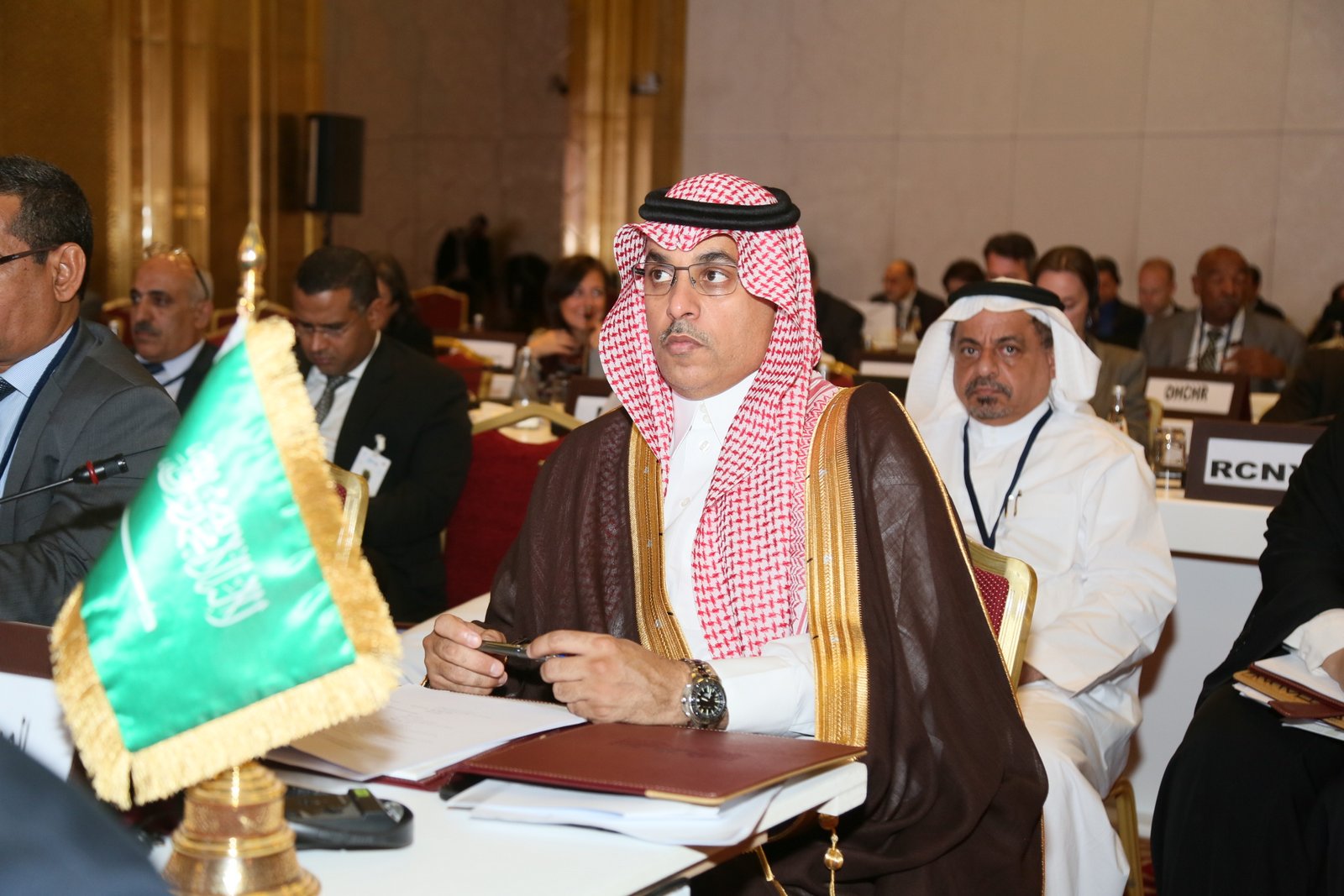
At the end of the 29th session of "ESCWA" held in Doha  Dr.Altekhaifi: the "Kingdom" has taken effective steps to implement the plan of the 2030 sustainable development goals approved by the United Nations in line with the national development plans The United Nations Economic and Social Commission for West Asia (ESCWA) has recently ended its 29th ministerial session entitled "Implementing the Sustainable Development Goals of 2030 in Arab countries". Where the whole participants came together in order to implement the 2030 sustainable development plan, taking into account the particularities of the regions and its development priorities. The chairman of the Saudi Delegation participating in the Session, GaStat President, H.E. Dr. Fahad Altekhaifi mentioned that the Arab region countries faces multiple challenges in the implementation of the " the plan of the Sustainable Development Goals of 2030" approved by world leaders approximately year ago. These challenges include economical and social, political, developmental challenges. The most prominent of these challenges is the statistical challenges related to building indicators that measures the progress of the(17) goals and its (240) indices according to latest update in (May) 2016. His Excellency explained that one of the most important factors that will help in the implementation of the sustainable goals plan is the state's ability to develop its development plans to adapt with the international plans, provided that they do not violate the Islamic shari'aa law and suits Saudi Arabia. His Excellency assured that the Kingdom of Saudi Arabia worked in two tracks to implement the goals of the 2030 sustainable development approved by the United Nations: the first track is developing a governance to track the implementation of plan, and it was assigned to the Ministry of Economy and Planning who will be responsible of the management of this file, follow-up, coordinate with all government entities, assigning government entities to follow-up with the goals within their competence. In addition, GaStat builds these indicators through the expansion of statistical work implementation either through designing new statistical surveys, develop current surveys, or build indicators from the data collected from the records of other government entities. The second track that Saudi Arabia worked on is developing its national development plans (Saudi Vision 2030), and connect it to the global plans(sustainable development plans). The 20130 Saudi vision and its (13) programs such as 2020national transformation program, government entities restructuring, projects managing program and other programs, and its (24) indicators, took into account the compatibility with the goals of sustainable development. On the other hand, Dr. Altekhaifi stressed the Doha announcement in the end session of the 29th meeting of ESCWA to invite all States to provide adequate support to update statistical systems to produce data necessary to measure the progress in achieving the goals of sustainable development. Furthermore, promote dialogue between policy makers and data producers and users to record progress in implementing national and international plans. Finally, support the initiatives of some Arab countries to for the adoption of national strategies for the development of statistics.
Image Alt Text

Dr.Altekhaifi: the "Kingdom" has taken effective steps to implement the plan of the 2030 sustainable development goals approved by the United Nations in line with the national development plans

12-09-2017

At the end of the 29th session of "ESCWA" held in Doha  Dr.Altekhaifi: the "Kingdom" has taken effective steps to implement the plan of the 2030 sustainable development goals approved by the United Nations in line with the national development plans The United Nations Economic and Social Commission for West Asia (ESCWA) has recently ended its 29th ministerial session entitled "Implementing the Sustainable Development Goals of 2030 in Arab countries". Where the whole participants came together in order to implement the 2030 sustainable development plan, taking into account the particularities of the regions and its development priorities. The chairman of the Saudi Delegation participating in the Session, GaStat President, H.E. Dr. Fahad Altekhaifi mentioned that the Arab region countries faces multiple challenges in the implementation of the " the plan of the Sustainable Development Goals of 2030" approved by world leaders approximately year ago. These challenges include economical and social, political, developmental challenges. The most prominent of these challenges is the statistical challenges related to building indicators that measures the progress of the(17) goals and its (240) indices according to latest update in (May) 2016. His Excellency explained that one of the most important factors that will help in the implementation of the sustainable goals plan is the state's ability to develop its development plans to adapt with the international plans, provided that they do not violate the Islamic shari'aa law and suits Saudi Arabia. His Excellency assured that the Kingdom of Saudi Arabia worked in two tracks to implement the goals of the 2030 sustainable development approved by the United Nations: the first track is developing a governance to track the implementation of plan, and it was assigned to the Ministry of Economy and Planning who will be responsible of the management of this file, follow-up, coordinate with all government entities, assigning government entities to follow-up with the goals within their competence. In addition, GaStat builds these indicators through the expansion of statistical work implementation either through designing new statistical surveys, develop current surveys, or build indicators from the data collected from the records of other government entities. The second track that Saudi Arabia worked on is developing its national development plans (Saudi Vision 2030), and connect it to the global plans(sustainable development plans). The 20130 Saudi vision and its (13) programs such as 2020national transformation program, government entities restructuring, projects managing program and other programs, and its (24) indicators, took into account the compatibility with the goals of sustainable development. On the other hand, Dr. Altekhaifi stressed the Doha announcement in the end session of the 29th meeting of ESCWA to invite all States to provide adequate support to update statistical systems to produce data necessary to measure the progress in achieving the goals of sustainable development. Furthermore, promote dialogue between policy makers and data producers and users to record progress in implementing national and international plans. Finally, support the initiatives of some Arab countries to for the adoption of national strategies for the development of statistics.
Image Alt Text

Dr. Altekhaifi: the transition towards a knowledge-based society promotes sustainable development in the Kingdom

12-09-2017

As the Chairman of the Saudi Delegation in the ESCWA Ministrial Session Dr. Altekhaifi: the transition towards a knowledge-based society promotes sustainable development in the Kingdom H.E. Dr. Fahad Sulaiman Altekhaifi, GaStat President, assured that the Kingdom of Saudi Arabia has completed remarkable steps towards achieving the millennium goals of sustainable development and has developed a strategy for total development under the framework of its 2030 Vision. This came during the 29th ministerial session of ESCWA entitled "Implementing the Sustainable Development Goals of 2030 in Arab countries", held in Doha,Qatar. HE GaStat President chaired the Saudi delegation participating in this session. He clarified that the Kingdom has made deliberate steps towards achieving the goals of sustainable development, where all conditions are prepared to achieve its goals of growth rates, average income increasing, promote the transition towards a knowledge-based society. This can be made through multiple strategies such as those based on economic diversification, sovereign investment funds, support the private investment initiatives, invest in quality education, research and development, health facilities, public services, and international and regional agreements. He added that the entire government systems in the Kingdom works on increasing the development of national and regional institutions, and enhance coordination efforts, enhance the flexibility of public institutions in developing governance strategies. On Tuesday, The United Nations Economic and Social Commission for West Asia (ESCWA) held its 29th session for senior officials, in the presence of representatives from member states and non-member states in international and regional organizations and committees. ESCWA is one of the five United Nations' regional commissions, and is a part of its general secretariat. It works under the supervision of economic and social council in order to support the economic and social cooperation between the region countries and promotes the development process in order to achieve regional integration. Its membership compromises of 17 member states which are: Saudi Arabia, Bahrain, Egypt, Iraq, Jordan, Kuwait, Lebanon, Libya, Morocco, Oman, Palestine, Qatar, Sudan, Syria, UAE, Tunisia and Yemen.  The ESCWA ministerial session is held every two years with the participation of the commission member states representatives on the mistrial level and representatives from United Nations' organizations and programs in addition to United Nation member states who are not member of ESCWA.
Image Alt Text

Dr. Altekhaifi: the transition towards a knowledge-based society promotes sustainable development in the Kingdom

12-09-2017

As the Chairman of the Saudi Delegation in the ESCWA Ministrial Session Dr. Altekhaifi: the transition towards a knowledge-based society promotes sustainable development in the Kingdom H.E. Dr. Fahad Sulaiman Altekhaifi, GaStat President, assured that the Kingdom of Saudi Arabia has completed remarkable steps towards achieving the millennium goals of sustainable development and has developed a strategy for total development under the framework of its 2030 Vision. This came during the 29th ministerial session of ESCWA entitled "Implementing the Sustainable Development Goals of 2030 in Arab countries", held in Doha,Qatar. HE GaStat President chaired the Saudi delegation participating in this session. He clarified that the Kingdom has made deliberate steps towards achieving the goals of sustainable development, where all conditions are prepared to achieve its goals of growth rates, average income increasing, promote the transition towards a knowledge-based society. This can be made through multiple strategies such as those based on economic diversification, sovereign investment funds, support the private investment initiatives, invest in quality education, research and development, health facilities, public services, and international and regional agreements. He added that the entire government systems in the Kingdom works on increasing the development of national and regional institutions, and enhance coordination efforts, enhance the flexibility of public institutions in developing governance strategies. On Tuesday, The United Nations Economic and Social Commission for West Asia (ESCWA) held its 29th session for senior officials, in the presence of representatives from member states and non-member states in international and regional organizations and committees. ESCWA is one of the five United Nations' regional commissions, and is a part of its general secretariat. It works under the supervision of economic and social council in order to support the economic and social cooperation between the region countries and promotes the development process in order to achieve regional integration. Its membership compromises of 17 member states which are: Saudi Arabia, Bahrain, Egypt, Iraq, Jordan, Kuwait, Lebanon, Libya, Morocco, Oman, Palestine, Qatar, Sudan, Syria, UAE, Tunisia and Yemen.  The ESCWA ministerial session is held every two years with the participation of the commission member states representatives on the mistrial level and representatives from United Nations' organizations and programs in addition to United Nation member states who are not member of ESCWA.
Image Alt Text

Saudi Arabia is “the second country on the Arab world level and the thirty eighth internationally” within the very high-level human development countries

12-09-2017

According to the human development report issued by a UN program with a remarkable progress Saudi Arabia is “the second country on the Arab world level and the thirty eighth internationally” within the very high-level human development countries Saudi Arabia registered the second rank on the Arab world level and the thirty eighth internationally within the very high-level human development countries according to the human development report issued by the UN developmental program 2016. Dr. Fahad bin Sulaiman Altekhaifi, GaStat president, clarified that Saudi Arabia has reached that remarkable progress which was reflected in the human development report issued by the UN developmental program 2016. He added, Saudi Arabia was classified within the countries that have the highest levels of human development.  His Excellency assured that the report is one of the annual reports issued by the UN developmental program since 1990. In addition to the main topics it discusses and resolves annually, the program includes many statistical tables of various indicators, the most important of which is a table that contains the human development guide classified by the level of human development all over the world. This guide is considered a standard that summarizes all achievements in the field of development through three main dimensions: individual health life, knowledge acquisition, and the proper living standard.  He indicated that this improvement in the Saudi level of human development is continuous one. During the past three years, Saudi Arabia registered the (39th) rank last year, the (55th) rank in 2010, and the (77th) rank in 2005. This progress is attributed to the noticeable improvement in all elements of the human development guide which are represented in the expected age of birth, the expected average of studying years which means the expected number of studying years that a child is expected to spend since he/she starts going to school, supposing that the rates of this process by age groups remain stable during all times. The guide elements also include the gross national income per capita which is calculated by the purchase power rate in Dollar.  It is worth mentioning that the human development report divides the world into four groups by value of human development guide’s indicator. Countries with low-level human development have a value of (0R550), whereas countries with intermediate-level human development, their value ranges between (0R550) and (0R699). However, countries with high-level human development have a guide value that ranges between (0R700) and (0R799), and countries with a very high-level of human development have a value of (0R800) or more. The Saudi indicator mentioned in the 2016 report registered (0R847).  Dr. Fahad stressed that this report reflects the level of human development that Saudi Arabia witnesses in many fields. It shows the exerted efforts on many levels. These efforts were achieved as a response to the continuous directions of the custodian of the two holly mosques, his crown prince, and his deputy crown prince. It also reflects the goals upon which the 2030 Saudi vision is made, the vision that represents a promising document that aims at achieving the sustainable development and coping with all rapid developmental changes internationally.
Image Alt Text

Riyadh Announces 14 Recommendations at the Conclusion of the First GCC Statistical Forum

12-09-2017

Based on 3 Strategic Pillars Riyadh Announces 14 Recommendations at the Conclusion of the First GCC Statistical Forum The First GCC Statistical Forum held in Riyadh concluded by announcing 14 recommendations, co-drafted by decision and policy makers, academia, private sector, in addition to the leaders of the statistical data and information authorities, systems and centers in the GCC countries and international and regional organizations. The participants in the Forum, organized by the General Authority for Statistics in Saudi Arabia and the GCC Statistical Center, stressed the importance, moving forward, of strengthening and increasing the effectiveness of the ongoing efforts in the various related fields, based on three strategic pillars (Partnerships, Development and Harmonization, and Resources). The participants also agreed on the importance of holding the Forum on a regular basis ever two years, to monitor progress and achievements in the areas of joint work and collaboration, and discuss the latest developments in the demand for and the production and dissemination of official statistics. The next forum will take place, in Muscat, in March 2019. This announcement came along with the Forum participants’ acknowledgment of the extra burden put on the national statistical authorities, centers and systems by the ever increasing and evolving demand for better quality statistics. The recommendations on the Partnerships Pillar stressed the need to (i) Strengthen the cooperation and dialogue mechanisms between statistics users and producers at the national level, so that the needs of users are met and the priorities are set in a better way; (ii) Enhance coordination and cooperation between producers of statistics in countries, to share knowledge and best practice, avoid duplication of efforts, and increase the quality of official statistics; (iii) Improve coordination and cooperation at the regional and international levels, to keep pace with and ensure contribution to and benefit from relevant developments, and to exchange expertise and experiences; (iv) Explore the potential of public private partnerships in statistics, to increase the frequency of data and develop new data sources; and (v) Foster collaboration and partnerships with the academic community in the GCC region, to serve a wide array of objectives including improving statistical literacy, adding value to statistical production, increasing the correct use of data, and strengthening training and capacity development.    In terms of the Development and Harmonization Pillar, the participants recommended to (i) Improve the quality and comparability of official statistics, to meet the needs of users; (ii) Incorporate contemporary international statistical standards and classifications; (iii) Enhance the use of administrative registers to produce official statistics; (iv) Take full advantage of modern statistical tools and technologies; and (v) Promote the correct use of statistics and statistical awareness and culture in society. Finally, regarding the Sources Pillar, the participants’ recommendations included to (i) Operate statistical agencies in an efficient, cost-effective and results-based manner; (ii) Attract and keep qualified GCC nationals in the statistical work; (iii) Increase the effectiveness and coverage of capacity development programs; and (iv) Explore alternative sources of funding and cost sharing outside the framework of official statistics including with the private sector. For the recommendations of the first Gulf Statistical Forum | Press here
Image Alt Text

STC Business technical sponsor for the Gulf Statistical Forum

12-09-2017

STC Business technical sponsor for the Gulf Statistical Forum Under the Royal hospice of  the Custodian of the Two Holy Mosques, King Salman bin Abdulaziz Al Saud - may God protect him - and with the organization of the General Authority for Statistics and GCC Statistical Center, STC Business will participate, as an activities technical sponsor, in the Gulf Statistical Forum, which will be held under the theme "Enhancing Statistical partnerships to support economic policies and sustainable development in the GCC countries.", at the Marriott Hotel in Riyadh during the period from March 20th to 22nd, 2017. The Forum will bring together 40 GCC and international speakers to discuss strengthening the statistical partnerships in view of supporting economic and development policies. They will discuss several key issues which are: requirement for data and statistical information ensuing from national development trends, the agenda for sustainable development and emerging global economic issues, provision of statistical products and services to support national development trends, and sustainable development in the GCC countries, in addition to conducting research on enhancing the statistical partnerships between users and producers of data to support the economic policies in the GCC countries. STC Business  pavilion accompanying the forum, will display a group of communication services and information technology solutions, with an explanation of the most important advantages and benefits that contribute to the success of statistical work and support digital transformation in the domestic and the Gulf region. This sponsorship comes within STC Business endeavor to support and meet the requirements and needs of their customers in both public and private sectors, through a variety of connectivity products based on mobile and fixed networks technology, providing integrated digital solutions, cloud computing , and managed services. STC Business Unit provides solutions and services, telecommunications and information technology in a way that meets the government and companies demands and requirements. This is carried out through the most advanced data centers distributed around the Kingdom. These centers are connected through a network of optical fibers whose length attains more than 147, 000 kilometers, and  are supported with a mobile network covering 96% of the populated areas in KSA, and uses technologies of the Second and Third Generation, while 96% of the network uses the Fourth Generation technology known as LTE. These national networks are linked to the world through a number of cross-border land and sea cables and an Internet gate which is the largest in the MENA region, where its communication capacity attains 1.5 Terabit / sec. and passes 12 Beta Bytes of data per day.
Image Alt Text

27 Scientific and Awareness-raising Booths in the Exhibition accompanying the First GCC Statistical Forum

12-09-2017

27 Scientific and Awareness-raising  Booths in the Exhibition accompanying the First GCC Statistical Forum The Forum events which  will be held in Riyadh under the theme " enhancing statistical collaborations to support economic policies and sustainable development in the GCC region", under the patronage of the custodian of the Two Holly Mosques king Salman bin Abdulaziz Al Saud, and organized by the general authority for statistics and the GCC statistical center on 21-23 Jumada second 1438 H corresponding to 20-22nd of March 2017, will be accompanied by an exhibition that contains 27 scientific and awareness raising booths, in collaboration with the GCC countries and the GCC statistical center, in addition to a number of establishments specialized in statistical and informational technology. Mr. Taiseer Almofarrej, the official spokesman of the General Authority for Statistics, stressed that the Forum welcomes visitors such as , specialists, academia, students and government entities leaders to know more about statistical methodologies in different fields; economic, social, energy and natural resources, open data, statistical awareness and sustainable development. The forum which will gather 40 speakers from the gulf region and other countries, data producers and users, and people from the academic sector, focuses on main axes which are: statistical data and information request resulted from the national developmental tracks, sustainable development agenda and international economic issues, discussing the provision of statistical products and services to support the national developmental tracks and sustainable development in the GCC region, in addition to discussing the statistical collaborations between data producers and users to support the economic policies and sustainable development in the GCC region. The events of the Forum will start with 4 sessions within two days, the sessions will start with discussing the first axe which is about statistical data and information request: the request from an international prospective and focusing on the international issues and their impact on policies and reforms all over the world in general and in the gulf region in particular. In addition to data needs and gaps, it will also discuss request from a national and regional perspective, a general session titles" producing and publishing statistics: the strategic motives of the national statistical entities' works", followed by  a general session about the third axe which is associated with collaborations " next steps: towards sustainable mechanisms and framework for cooperation between users and producers". Along with the forum activities, 6 workshops will be held: the first will discuss measuring the progress in achieving sustainable development goals, the second is about enhancing statistical knowledge. As for the third, it will be about the statistical media. In the fourth workshop, the participants will get to know the mechanisms of statistics development by using information and communication technologies. However, the fifth will discuss data revolution which will present cooperation between Arab countries to get benefited from data revolution in enhancing the production and publishing of statistics. After that, two presentations will be presented by one of the GCC countries and the GCC statistical center about the preparations and challenges. Regarding the last workshop, it will discuss the collaborations between the public and private sectors in the field of statistics.
Image Alt Text

8 days until the beginning of the 1st GCC statistical forum events

12-09-2017

8 days until the beginning of the 1st GCC statistical forum events After 8 days, the 1st GCC statistical forum events will begin in Riyadh under the theme " enhancing statistical collaborations to support economic policies and sustainable development in the GCC region". The forum will be under the patronage of the custodian of the two holly mosques king Salman bin Abdulaziz Al Saud, and organized by the general authority for statistics and the GCC statistical center on 21-23 Jumada second 1438 H corresponding to 20-22nd of March 2017.  The forum, in which there will be 40 speakers from the gulf region and other countries, other people who are specialized in statistics such as data producers and users, and people from the academic sector, focuses on main axes which are: statistical data and information request resulted from the national developmental tracks, sustainable development agenda and international economic issues, discussing the provision of statistical products and services to support the national developmental tracks and sustainable development in the GCC region, in addition to discussing the statistical collaborations between data producers and users to support the economic policies and sustainable development in the GCC region.  The first day will witness the opening event. Many political personalities will attend such as ministers, GCC general secretariat leaders, ambassadors, statistical organizations heads, international and regional organizations representatives, statistical sector specialists, media, and other participants.  The forum events will begin with 4 sessions on the first two days. On these sessions, the first axe will be discussed from an international perspective which is about statistical data and information request. Also, the sessions will discuss the international issues and their impact on the policies and reforms all over the world and on the gulf region in particular. Data needs and gaps will be taken into consideration too. Data request will be discussed also from a national and regional perspective. There will be a general session titled " statistics production and publication: the strategic motives of the national statistical organizations works". It will be followed by another general session that discusses the third axe which is about collaborations " next steps: towards sustainable framework and mechanisms for cooperation and dialogue between users and producers". Along with the forum events, there will be 6 seminars; the first will discuss measuring the progress in achieving the sustainable development goals, the second is about enhancing the statistical knowledge. Whereas the third will focus on statistical media, and the fourth is about the mechanisms od statistical development by using information and telecommunication technologies. On the fifth seminar, data revolution will be discussed, it will present the cooperation between Arab countries to benefit from data revolution in enhancing statistics production and publication. After that, there will be two presentations about the preparations and challenges, they will be presented by one of the GCC countries and the GCC statistical center. As for the last seminar, collaborations between the public and private sectors in the field of statistics will be discussed.
Image Alt Text

Dr. Altekhaifi: GaStat works on enhancing the national and international collaborations to raise the data quality and support decision and policy makers

12-09-2017

Participating with 40 countries in the International Association for Official Statistics  (IAOS) conference Dr. Altekhaifi: GaStat works on enhancing the national and international collaborations to raise the data quality and support decision and policy makers GaStat participates in IAOS conference 2016 (round 15) Under the Patronage of H.H. Sheikh  Hazza bin Zayed Al Nahyan, Vice chairman of Abu Dhabi executive council. The conference is organized by Statistics Center in Abu Dhabi. The main theme of the IAOS 2016 conference is "The Spirit of Official Statistics: Partnership and Continuous Innovation". The conference activities will conclude on December- 8-2016.  Dr. fahad bin Sulaiman Altekhaifi, GaStat president, said that the authority keeps enhancing its experience and raising the data quality through an integrated program for all local, regional, and international collaborations, in addition to following the best international practices in order to provide comprehensive and high-quality statistical data that support policy and decision maker. He revealed that the strategic collaboration program is an essential part of the statistical sector' strategic transformation program in Saudi Arabia. GaStat worked on preparing a transformation map in the statistical work. This map included a number of projects and initiatives that cope with the 2020 national transformation program and 2030 Saudi vision. The statistical transformation project depended on three main dimensions; quality of statistical products, concentrating on clients, and activating the statistical sector. Using these three dimensions, GaStat went through six main tracks represented in reformulating the authority tendencies in a way that achieves the goals and  reflects the clients tendency, reevaluating the products and services provided by the authority, determining the required operating activities to provide products and services according to clients needs, enhancing the technical part in the authority, modifying culture and developing statistical awareness, in addition to assuring the existence of the organizational structure and the governance to make a transformation. Each track has a group of projects and initiatives that are integrated with each other, so that they can contribute in implementing the strategic transformation program. These projects and initiatives aim at activating the statistical part, evaluating the products and services, and developing methodologies, standards, and classifications. This can be achieved after preparing the authority administratively, financially,  technically, and systematically  to pursue in the transformation process. In addition to raising the statistical awareness and culture among all users of data, information, and statistics.  On the other hand, Dr. Fahad asserted that IAOS conference was held in a time, during which all GCC statistical entities work together to achieve the vision of the custodian of the two holly mosques that enhances integration between GCC countries, improves GCC statistical performance, and meets the leaders expectations. All GCC statistical entities work on supporting the integrated work especially the collaboration between them, so that they can deal with all GCC essential issues.   GaStat participation in this conference represents its belief in collaboration and how it develops the statistical work and raises awareness among all producers and users of data. Moreover, it identifies the importance of official statistics and how they support the developmental resolutions in the region.  Altekhaifi clarified that GaStat along with all GCC statistical entities are trying to enhance and develop the concept of official statistics so that they reach an excellent level of efficiency. Furthermore, they enhance the value of official statistics in the information community. They also enhance collaborations, innovation, and national statistical system update.  H.E. expressed his gratitude for the great hospitality of Abu Dhabi in this conference. It is the first country in the region that organizes an IAOS conference, as this conference is held every two years by one of the IAOS members. So, this assured the GCC statistical entities role in the region.  It is worth mentioning that the 15th round of the conference depends on four main aspects, about which all sessions are conducted. The aspects are: enhancing the value of official statistics in the information community, making collaborations to achieve results, innovation and updating national statistical systems, and following the main principals in the statistical work practice.
Image Alt Text

GaStat: We work on developing data of labour market to support decision makers

12-09-2017

Signed a joint memorandum of understanding with the Ministry of Labour and Social Development GaStat: We work on developing data of labour market to support decision makers On Monday 20 Rabī‘ al-awwal,1438 corresponding to December 19, 2016 , GaStat signed a memorandum of understanding to develop electronic data exchange and integration and the implementation of a number of joint national initiatives relevant to the data of labour market in the Kingdom of Saudi Arabia. The national Labour Market Observatory and the "Labour Market bulletin" are considered the main outputs of this memorandum. Mr. Taiseer Almofarrej, GaStat's official spokesman, clarified that the joint work in the field of data exchange with the Ministry of Labour and Social Development is a work in progress, and that the memo signed today by His Excellency Dr. Fahad Altekhaifi, GaStats President, and His Excellency the Deputy Minister of Labour and Social Development, Mr. Ahmad Saleh Alhomaidan in the framework of developing joint work, particularly after the merging of  the Labour with Social Development is made to keep pace with the new changes in this field. Emphasizing on the importance of collaboration to provide statistical services  that support decision makers and users by providing statistical data and information that is immediate, comprehensive, reliable and flexible in the best interest of beneficiaries either citizens or residents. Almofarrej stressed that the reinforcement of collaboration between GaStat and the Ministry is based on developing entire statistical products related to labour force, social development, establishments, statistical data exchange and integration and the integration of work at the relevant national observatories. The joint work also includes the unifying of standards, classifications and definitions of labour force, social development and establishments. The memorandum contributes in achieving the goals of the social development national strategy, the Saudi employment strategy, the tenth development plan, the privatization strategy and the national strategy of statistical development.  GaStat's official spokesman also asserted that most important outcomes of this collaboration is: the support of statistical data production and dissemination through surveys and administrative records carried out by GaStat and the Ministry on a regular basis, total coordination regarding labour force statistical data dissemination, facilitate cooperation in the exchange and flow of information, the development of Saudi labour market data system through providing a statistical database that is highly accurate to be used by decision makers, planners, researchers and relevant entities, unify efforts to ensure getting accurate statistical data for the most important indicators of the labour market and social development which contribute in the measurement of the 2030 Saudi Vision and the 2020 national transformation program, meet the requirements of the beneficiary entities, the collaboration in establishing a databases for GaStat which are not-for-profit, associations and charities, cooperative committees and social development centers, the collaboration and coordination to reinforce the specialized observatories currently in place, establish and prepare new statistical products specializes in the labour market and social development issues.  On the other hand, Mr. Taiseer Almofarrej clarified that GaStat is currently working in collaboration with the Ministry of Labour and Social development, Ministry of Civil Services, Human resources Development Fund and the General Organization for Social Insurance to develop the labour market data through the production of "Labour Market Bulletin" to be a periodic integrated bulletin that meets the demand for suitable trained and qualified manpower , and the supply side of the population of who are capable of working and willing to search for a job at  certain period of time. The bulletin will be the updated version of the quarterly Labour force Survey results conducted by GaStat.
Image Alt Text

Dr.Altekhaifi: the "Kingdom" has taken effective steps to implement the plan of the 2030 sustainable development goals approved by the United Nations in line with the national development plans

12-09-2017

At the end of the 29th session of "ESCWA" held in Doha  Dr.Altekhaifi: the "Kingdom" has taken effective steps to implement the plan of the 2030 sustainable development goals approved by the United Nations in line with the national development plans The United Nations Economic and Social Commission for West Asia (ESCWA) has recently ended its 29th ministerial session entitled "Implementing the Sustainable Development Goals of 2030 in Arab countries". Where the whole participants came together in order to implement the 2030 sustainable development plan, taking into account the particularities of the regions and its development priorities. The chairman of the Saudi Delegation participating in the Session, GaStat President, H.E. Dr. Fahad Altekhaifi mentioned that the Arab region countries faces multiple challenges in the implementation of the " the plan of the Sustainable Development Goals of 2030" approved by world leaders approximately year ago. These challenges include economical and social, political, developmental challenges. The most prominent of these challenges is the statistical challenges related to building indicators that measures the progress of the(17) goals and its (240) indices according to latest update in (May) 2016. His Excellency explained that one of the most important factors that will help in the implementation of the sustainable goals plan is the state's ability to develop its development plans to adapt with the international plans, provided that they do not violate the Islamic shari'aa law and suits Saudi Arabia. His Excellency assured that the Kingdom of Saudi Arabia worked in two tracks to implement the goals of the 2030 sustainable development approved by the United Nations: the first track is developing a governance to track the implementation of plan, and it was assigned to the Ministry of Economy and Planning who will be responsible of the management of this file, follow-up, coordinate with all government entities, assigning government entities to follow-up with the goals within their competence. In addition, GaStat builds these indicators through the expansion of statistical work implementation either through designing new statistical surveys, develop current surveys, or build indicators from the data collected from the records of other government entities. The second track that Saudi Arabia worked on is developing its national development plans (Saudi Vision 2030), and connect it to the global plans(sustainable development plans). The 20130 Saudi vision and its (13) programs such as 2020national transformation program, government entities restructuring, projects managing program and other programs, and its (24) indicators, took into account the compatibility with the goals of sustainable development. On the other hand, Dr. Altekhaifi stressed the Doha announcement in the end session of the 29th meeting of ESCWA to invite all States to provide adequate support to update statistical systems to produce data necessary to measure the progress in achieving the goals of sustainable development. Furthermore, promote dialogue between policy makers and data producers and users to record progress in implementing national and international plans. Finally, support the initiatives of some Arab countries to for the adoption of national strategies for the development of statistics.
Image Alt Text

Dr. Altekhaifi: the transition towards a knowledge-based society promotes sustainable development in the Kingdom

12-09-2017

As the Chairman of the Saudi Delegation in the ESCWA Ministrial Session Dr. Altekhaifi: the transition towards a knowledge-based society promotes sustainable development in the Kingdom H.E. Dr. Fahad Sulaiman Altekhaifi, GaStat President, assured that the Kingdom of Saudi Arabia has completed remarkable steps towards achieving the millennium goals of sustainable development and has developed a strategy for total development under the framework of its 2030 Vision. This came during the 29th ministerial session of ESCWA entitled "Implementing the Sustainable Development Goals of 2030 in Arab countries", held in Doha,Qatar. HE GaStat President chaired the Saudi delegation participating in this session. He clarified that the Kingdom has made deliberate steps towards achieving the goals of sustainable development, where all conditions are prepared to achieve its goals of growth rates, average income increasing, promote the transition towards a knowledge-based society. This can be made through multiple strategies such as those based on economic diversification, sovereign investment funds, support the private investment initiatives, invest in quality education, research and development, health facilities, public services, and international and regional agreements. He added that the entire government systems in the Kingdom works on increasing the development of national and regional institutions, and enhance coordination efforts, enhance the flexibility of public institutions in developing governance strategies. On Tuesday, The United Nations Economic and Social Commission for West Asia (ESCWA) held its 29th session for senior officials, in the presence of representatives from member states and non-member states in international and regional organizations and committees. ESCWA is one of the five United Nations' regional commissions, and is a part of its general secretariat. It works under the supervision of economic and social council in order to support the economic and social cooperation between the region countries and promotes the development process in order to achieve regional integration. Its membership compromises of 17 member states which are: Saudi Arabia, Bahrain, Egypt, Iraq, Jordan, Kuwait, Lebanon, Libya, Morocco, Oman, Palestine, Qatar, Sudan, Syria, UAE, Tunisia and Yemen.  The ESCWA ministerial session is held every two years with the participation of the commission member states representatives on the mistrial level and representatives from United Nations' organizations and programs in addition to United Nation member states who are not member of ESCWA.
Sort